


Action
Equal Protection Project comment on proposed HUD rule ending “differential effects” liability
Case Particulars
Tribunal
U.S. Department of Housing and Urban Development
Date Filed
January 28, 2026
Docket No.
RIN 2529-AB09
Case Status
Comment submitted.
Case Overview
The Equal Protection Project (EPP) submitted a comment to the United States Department of Housing and Urban Development (HUD) concerning a newly proposed rule change that seeks to roll back its regulations concerning “differential effects” liability.
Title VIII of the Civil Rights Act of 1968 (the FHA) prohibits discrimination in the sale, rental, or financing of dwellings and in other housing-related activities on the basis of race, color, religion, sex, disability, familial status, or national origin. Since 2013, HUD has issued three rules for determining whether a given practice has an unjustified “differential effect” under the FHA.
Differential effects, better known as “disparate impact,” holds that a neutral policy or practice is still unlawfully discriminatory if it has an unequal effect on different demographic groups, even absent evidence of discriminatory intent. The theory rests on the assumption that any policy that creates a racial disparity is inherently discriminatory.
As EPP explains in its comment, there are three primary justifications supporting HUD’s proposed rule doing away with its differential effects regulations:
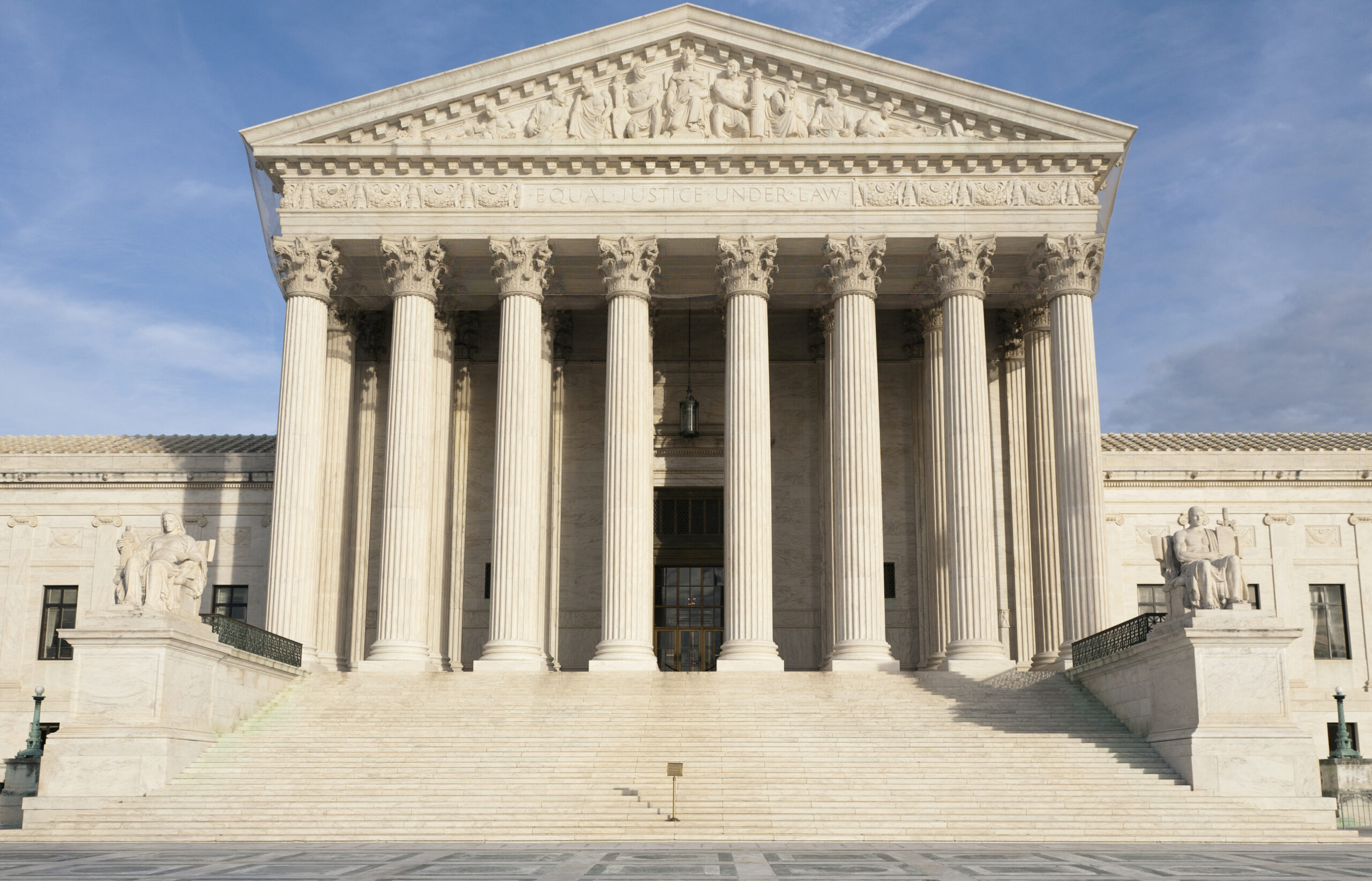
The first is the Supreme Court’s 2024 decision in the Loper Bright case. According to Loper Bright, federal agency interpretations of statutes, and agency actions that rely on those interpretations, are not due any judicial deference. As a result, HUD’s prior disparate impact rules, HUD’s interpretation of the FHA, and the codification of those interpretations, do not carry deferential weight. A reviewing court could conceivably wholly reject HUD’s claims in prior rulemakings regarding differential effects.
The second is President Trump’s Executive Order 14281, titled “Restoring Equality of Opportunity and Meritocracy.” EO 14281 correctly states that disparate impact liability creates a “near insurmountable presumption of discrimination” when there are any differences in outcomes, “even if there is no facially discriminatory policy or practice or discriminatory intent involved, and even if everyone has an equal opportunity to succeed.” As such, EO 14281 instructs all federal agencies, including HUD, to review existing regulations and rules that impose disparate impact liability.
Last, as the Supreme Court recently held in the Students for Fair Admissions case, “the Equal Protection Clause…applies without regard to any differences of race, of color, or of nationality—it is universal in its application” and the “guarantee of equal protection cannot mean one thing when applied to one individual and something else when applied to a person of another color.” But despite the protections of equal protection, an owner or landlord is at risk of differential effects liability under the current HUD rule, whether the supposed discrimination was entirely unintended and undiscovered. Additionally, making differential effects allegations actionable in court encouraged supposedly affected individuals to file lawsuits against owners and landlords even where no evidence of intentional discrimination against them exists.
Accordingly, EPP supports HUD’s decision to pursue rulemaking to remove its discriminatory effects regulations.